Modern Approaches to Gum Disease Treatment in Ventura
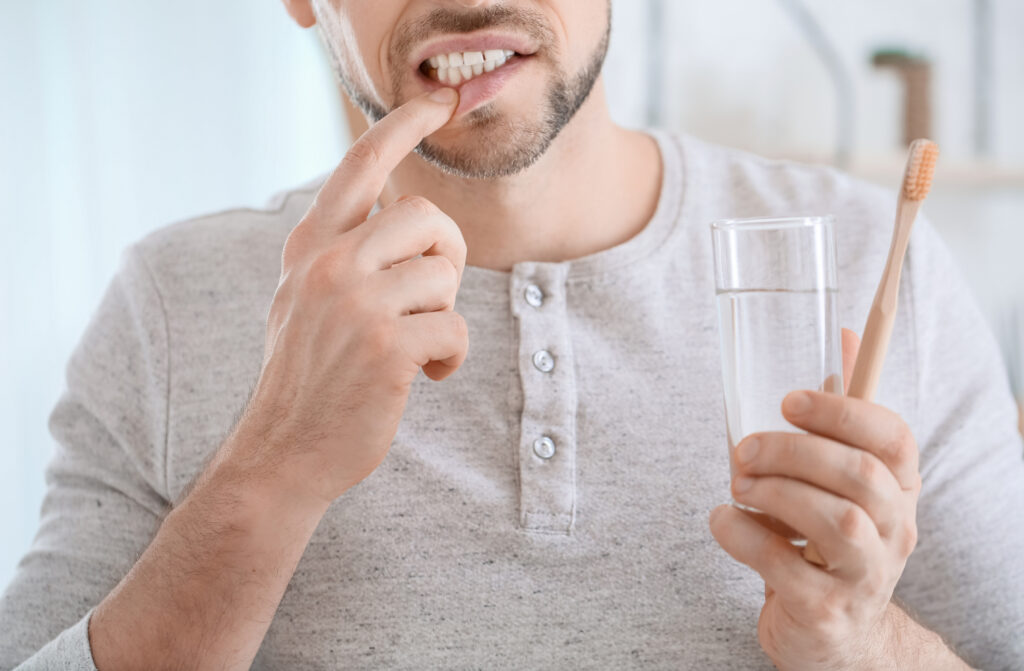
Gum disease rarely starts with drama. Most people notice a little bleeding when they brush, maybe some tenderness near the back molars, maybe breath that does not seem to improve no matter how carefully they clean. It feels minor, easy to put off. In practice, those early signs can mark the beginning of a process that affects far more than the gums alone. Untreated periodontal disease can lead to bone loss, loose teeth, repeated infection, and costly restorative work that often could have been avoided with timely care.
That reality has changed how dentists and periodontists approach Gum Disease Treatment in Ventura. The old pattern of waiting for severe symptoms, then responding with aggressive treatment, has given way to earlier diagnosis, more targeted therapy, and maintenance plans tailored to how each patient actually lives. Modern care is not just about cleaning below the gumline. It is about understanding bacterial patterns, measuring tissue changes precisely, controlling inflammation, and helping patients keep Gum Disease Treatment in Ventura the disease stable over time.
Ventura is a place where lifestyle matters. People spend time outdoors, stay active year round, and often value health care that is both practical and minimally disruptive. That preference fits well with current periodontal care, because the most effective treatments today are often conservative when disease is caught early, and much more personalized than patients expect.
Why gum disease deserves serious attention
Gum disease is an infection-driven inflammatory condition. The bacteria in dental plaque irritate the gum tissue, and in response the body mounts an immune reaction. At first this appears as gingivitis, which is the reversible stage marked by redness, puffiness, and bleeding. When the inflammation persists, the attachment between gum and tooth begins to weaken. Pockets deepen. Harmful bacteria move farther below the gumline. The supporting bone may start to resorb.
The frustrating part is how quiet that progression can be. Many patients with moderate periodontal disease report little or no pain. They are surprised when an exam shows bone loss or pockets measuring five, six, or seven millimeters. I have seen more than a few people come in because they thought they had a single sensitive tooth, only to learn that generalized gum disease had been advancing for years.
This is one reason Gum Disease Treatment has become more proactive. Good clinicians do not rely on pain as the trigger to act. They look for bleeding on probing, pocket depth patterns, recession, mobility, bone changes on radiographs, and risk factors that make progression more likely.
What puts Ventura patients at risk
The core cause is bacterial plaque, but the rate and severity of disease vary widely from person to person. In a coastal community like Ventura, the risk profile often reflects a mix of common and less obvious factors. Smoking and vaping remain major issues. Diabetes, especially when poorly controlled, increases inflammation and slows healing. Dry mouth from medications can make plaque control harder. Stress, clenching, crowded teeth, old dental work with plaque-trapping margins, and inconsistent maintenance visits also play a part.
Age matters, though not in a simplistic way. It is not that gum disease suddenly appears because someone reaches a certain birthday. It is more that years of low-grade inflammation have more time to accumulate damage. I also see younger adults with surprisingly advanced disease when genetics, smoking, or neglected care are involved. A healthy-looking thirty-five-year-old can have deeper pocketing than a retiree who gum disease treatment near Ventura has had regular cleanings for decades.
Hormonal shifts deserve mention too. Pregnancy, perimenopause, and menopause can alter tissue response and increase sensitivity or bleeding. That does not mean every hormonal change causes periodontal disease, but it can reveal plaque issues that previously seemed minor.
Modern diagnosis starts before treatment does
Current periodontal care relies on detail. A quick glance and a general cleaning are not enough when signs of disease are present. A thorough evaluation usually includes pocket measurements around each tooth, a review of bleeding points, gum recession, tooth mobility, bite forces, radiographs to assess bone levels, and a conversation about medical history and habits.
This matters because modern Gum Disease Treatment is not one-size-fits-all. Two patients may both be told they have periodontitis, yet their treatment plans can differ significantly. One may have shallow generalized inflammation that responds well to deep cleaning and improved home care. Another may have localized vertical bone defects around molars that require surgical intervention or regenerative treatment. A third may have stable bone levels but persistent inflammation caused by dry mouth and poorly fitting restorations.
Accurate charting also creates a baseline. That gives both patient and clinician something objective to compare over time. One of the most useful moments in periodontal care is the re-evaluation visit several weeks after initial therapy. You can see whether pockets are shrinking, bleeding is reduced, and tissue tone is improving. Without that checkpoint, it is easy to mistake temporary symptom relief for real disease control.
The shift from “deep cleaning” to targeted non-surgical therapy
Many patients know the term deep cleaning, though clinicians usually describe it as scaling and root planing. This remains one of the foundations of Gum Disease Treatment, and for good reason. When plaque and hardened calculus sit below the gumline, the tissue cannot heal properly. Removing those deposits is essential.
What has changed is the level of precision and comfort involved. Modern ultrasonic instruments can disrupt biofilm efficiently while reducing operator fatigue and often shortening chair time. Fine hand instruments are still crucial, especially in root grooves, furcations, and other complex anatomy. Local anesthetic is commonly used, and many offices now focus more carefully on patient comfort than they did years ago. For anxious patients, this alone can be the difference between postponing care and following through.
The goal is not to make the roots glassy smooth for its own sake, as older descriptions sometimes implied. The real objective is to remove bacterial deposits and irritants thoroughly enough for inflammation to subside and the tissues to tighten. In early to moderate cases, this can produce a meaningful reduction in pocket depth and bleeding without surgery.
A key point patients often miss is that non-surgical therapy is not “just a cleaning.” It is active disease treatment. It is also not the end of care. Re-evaluation determines whether the response has been sufficient or whether deeper areas need more attention.
Adjunctive therapies, useful in the right cases, oversold in the wrong ones
Modern periodontal care includes a range of adjunctive tools. Some are genuinely helpful. Some are best reserved for specific situations. Good treatment planning depends on judgment, not novelty.
Locally delivered antimicrobials can be placed into selected periodontal pockets after scaling and root planing. These may be considered when a few sites remain inflamed or deep despite otherwise good treatment. They are not magic, and they do not replace mechanical cleaning, but they can help suppress bacterial load in difficult pockets.
Systemic antibiotics are used more selectively than many patients expect. In aggressive or severe cases, or when a specific bacterial pattern and clinical presentation justify them, they may be appropriate. Overprescribing is not good practice. Antibiotics alone cannot resolve gum disease because biofilm attached to the root and lodged in pocket anatomy needs physical disruption.
Laser-assisted periodontal therapy is another area where patients hear a lot of marketing. Lasers can play a role in bacterial reduction, tissue decontamination, and soft tissue management. Some clinicians use them effectively as part of a broader protocol. The important thing is not whether a practice has a laser, but whether the clinician can explain clearly what it adds in that specific case. A laser is a tool, not a guarantee of better outcomes.
Antimicrobial rinses can support healing in the short term, particularly when brushing is uncomfortable after treatment. Still, no rinse can reach every deep pocket effectively enough to replace instrumentation and daily plaque control.
When surgery becomes the modern answer
Surgery is no longer the default response to every deep pocket, but it remains invaluable when non-surgical care reaches its limit. The modern approach is more refined than many people assume. Periodontal surgery today is often focused, conservative, and designed to solve a specific anatomical problem.
If deep pockets persist around back teeth, especially in areas with complex root shape or furcation involvement, flap surgery may be recommended. This allows direct access to root surfaces and bone defects that cannot be fully treated blind. The tissue is gently reflected, deposits are removed, and the area is cleaned under direct vision. In the right patient, this can create a healthier, more maintainable architecture.
Regenerative procedures are one of the most important advances in periodontal treatment. When bone loss occurs in certain defect patterns, membranes, bone graft materials, or biologic agents may be used to encourage regeneration of lost support. Results depend heavily on defect shape, tissue quality, smoking status, oral hygiene, and overall health. This is not a universal fix, but in selected cases it can preserve teeth that might otherwise have a guarded prognosis.
Gum grafting also deserves a place in this conversation. Recession is not always a sign of active gum disease, but it can coexist with it. Modern soft tissue grafting techniques can cover exposed roots, reduce sensitivity, and protect vulnerable areas from further breakdown. Patients are often pleasantly surprised by how manageable the recovery can be when expectations are set well.
The role of technology in Gum Disease Treatment in Ventura
Ventura patients increasingly expect dentistry to be evidence-based and efficient. Technology can support that expectation when it is used thoughtfully. Digital radiography helps clinicians assess bone levels with less radiation than older film systems. Intraoral cameras allow patients to see inflamed areas, recession, or heavy tartar deposits rather than simply being told about them. That visual feedback often improves acceptance of treatment because the problem feels concrete.
Some periodontal practices use 3D imaging in more complex cases, especially where implants, severe bone loss, or anatomical uncertainty are involved. It is not necessary for every patient with gum disease, but it can be valuable in surgical planning.
What matters most, though, is not technology for its own sake. A well-trained clinician using a periodontal probe carefully and interpreting standard radiographs intelligently will often provide more benefit than an office with impressive hardware and weak diagnostic habits. Patients should see technology as an aid to good care, not a substitute for it.
Maintenance is where long-term success is won or lost
This is the part many patients underestimate. Active treatment can reduce inflammation and improve attachment conditions, but periodontal disease has a chronic component. Once someone has had periodontitis, they remain at higher risk for recurrence. That does not mean they are doomed to lose teeth. It means maintenance becomes part of the strategy.
Periodontal maintenance visits are different from routine cleanings. The tissues are reassessed. Pocketing, bleeding, plaque accumulation, recession, and mobility are monitored over time. Areas that are breaking down again can be identified early, when corrective action is simpler. For many patients, these visits are scheduled every three or four months rather than every six. That interval is not arbitrary. It reflects how quickly harmful bacteria can repopulate in susceptible mouths.
I often compare periodontal maintenance to follow-up care after managing any other chronic inflammatory condition. You do not treat it once and assume it stays fixed forever. You monitor, adjust, and support stability.
One pattern that repeats itself is the patient who feels much better after initial treatment, then assumes maintenance is optional because the bleeding stopped. Sixteen or eighteen months later, the disease is back in the same areas, sometimes worse. The lesson is simple. Feeling better matters, but measurements matter more.
Home care has become more individualized
Generic advice to brush and floss is not enough, especially for patients with established periodontitis. Modern home care recommendations are increasingly tailored to anatomy, dexterity, restorations, and disease pattern. Someone with tight contacts and healthy papillae may do well with traditional floss. Another person with larger embrasures and bone loss may get far more benefit from interdental brushes. A patient with bridgework or implants may need threaders, soft picks, or a water flosser as part of the routine.
The best home care plan is the one a patient will actually use correctly and consistently. I have seen meticulous people fail with an overly complicated routine and busy parents succeed with a simplified plan they can maintain every day.
A practical daily routine often includes:
- Brushing twice a day with a soft-bristled brush or electric toothbrush
- Cleaning between the teeth with the tool best suited to the spaces present
- Using any prescribed antimicrobial rinse for the recommended time only
- Watching for bleeding, tenderness, or new recession rather than ignoring it
- Keeping periodontal maintenance appointments on schedule
That is not glamorous advice, but it works. Consistency beats intensity. Ten perfect days followed by a month of neglect will not stabilize periodontal disease.
How treatment decisions change when dental implants are involved
Ventura has plenty of adults with implants, sometimes placed years ago, sometimes combined with crowns and bridges that are difficult to clean. Gum health around implants is not identical to gum health around natural teeth. Implants can develop peri-implant mucositis or peri-implantitis, conditions that resemble gum disease but involve different tissue attachment patterns and often progress in a more destructive way.
Modern clinicians are more alert to this than they were a decade or two ago. Bleeding around an implant is not something to wave off casually. Radiographs, probing patterns, prosthetic design, and home care access all need review. Treatment may involve specialized debridement, antimicrobial therapy, and in advanced cases surgical intervention to detoxify the implant surface and manage the surrounding bone defect.
This is another reason comprehensive periodontal evaluation matters. A patient may be focused on one bleeding implant and not realize that generalized Gum Disease Treatment is needed around their natural teeth as well.
The patient experience is better than many people remember
A lot of adults put off gum treatment because they are picturing dentistry from twenty or thirty years ago. Modern anesthesia, clearer communication, and staged treatment have changed the experience considerably. Appointments are more likely to include detailed explanation, photos or scans, and a straightforward discussion about what the patient will feel during recovery.
Most non-surgical therapy causes a few days of tenderness rather than major downtime. Surgical procedures vary, of course, but many patients return to work quickly with sensible post-op instructions. What often causes more stress than the treatment itself is uncertainty. When clinicians explain what is happening, what is urgent, and what can be phased, patients tend to cope well.
Cost is another concern, and it should be discussed openly. Periodontal care can represent a significant investment, especially when surgery or regeneration is involved. At the same time, delaying care can lead to tooth loss, extractions, bone grafting, implants, or complex bridgework, all of which are usually more expensive and more invasive. The honest conversation is not whether treatment costs money. It is whether earlier treatment prevents bigger losses later.
Choosing the right provider in Ventura
Patients looking for Gum Disease Treatment in Ventura should pay attention to how a practice evaluates and explains the problem. A good provider does not rush to sell a procedure. They document findings, discuss severity clearly, explain alternatives, and set expectations about maintenance. They also talk candidly about risk factors such as smoking, diabetes, dry mouth, or inconsistent home care, because periodontal success depends on more than what happens in the chair.
It is reasonable to ask whether your care will be handled by a general dentist, a hygienist with periodontal training, or a periodontist. General dentists manage many mild to moderate cases very well. Periodontists bring additional expertise for advanced disease, surgical management, grafting, regeneration, and implant-related complications. In strong practices, there is often collaboration rather than competition between those roles.
Patients should also expect follow-up. If a practice diagnoses periodontal disease but never schedules a re-evaluation after treatment, that is a gap. The same is true if every patient is funneled toward the same intervention regardless of disease pattern. Individualized care is one of the clearest signs of modern practice.
What success really looks like
Success in Gum Disease Treatment is not always dramatic. Sometimes it means the gums no longer bleed at brushing. Sometimes it means a six-millimeter pocket becomes a three or four and stays there without inflammation. Sometimes it means a tooth with guarded prognosis is preserved comfortably for many years. Sometimes it means recognizing that one area has failed despite good effort and making a timely decision to remove a hopeless tooth before it compromises neighboring structures.
The smartest periodontal care balances optimism with realism. Teeth with severe bone loss can sometimes be maintained far longer than expected when treatment, maintenance, and home care are all strong. On the other hand, not every compromised tooth should be saved at any cost. There are cases where extraction and replacement, or even a strategic reduction in the number of teeth being maintained, leads to better long-term function and health. Good clinicians know the difference and explain it without drama.
For Ventura patients, that practical, measured approach tends to resonate. People want honest recommendations, modern tools, and treatment plans that fit real life. That is exactly where periodontal care has improved the most. The field has moved toward earlier diagnosis, more selective intervention, and a long view of oral health that respects both biology and day-to-day habits.
If there is one message worth carrying forward, it is this: bleeding gums are not normal, loose teeth are not an inevitable part of aging, and modern Gum Disease Treatment offers far more than many patients realize. The sooner disease is identified, the more options there usually are, and the more conservative those options can be.
Avra Dental
Address: 1708 S Victoria Ave B, Ventura, CA 93003
Phone number: (805) 941-1001
FAQ About Gum Disease Treatment in Ventura
How to improve gum health quickly?
To improve gum health quickly, eliminate plaque buildup by brushing for two full minutes twice a day at a 45-degree angle to the gumline. Floss daily to clean under the gumline, and rinse with an antimicrobial, alcohol-free mouthwash. For immediate relief of soreness, use a warm saltwater rinse.
What is the fastest way to cure gum disease?
To quickly cure early-stage gum disease (gingivitis), eliminate the plaque buildup causing the inflammation. Brush gently but thoroughly for two minutes twice daily, floss daily, and use an antibacterial mouthwash or a warm saltwater rinse. However, if tartar has hardened, professional treatment is necessary.
How do I treat my gum disease at home?
You can treat early gum disease at home by practicing strict daily oral hygiene, rinsing with salt water or antibacterial mouthwash, and quitting smoking. True gum disease (especially advanced forms like periodontitis) cannot be fully cured at home once tartar forms, and you must see a dentist for professional cleanings.