The Benefits of Personalized Gum Disease Treatment Plans
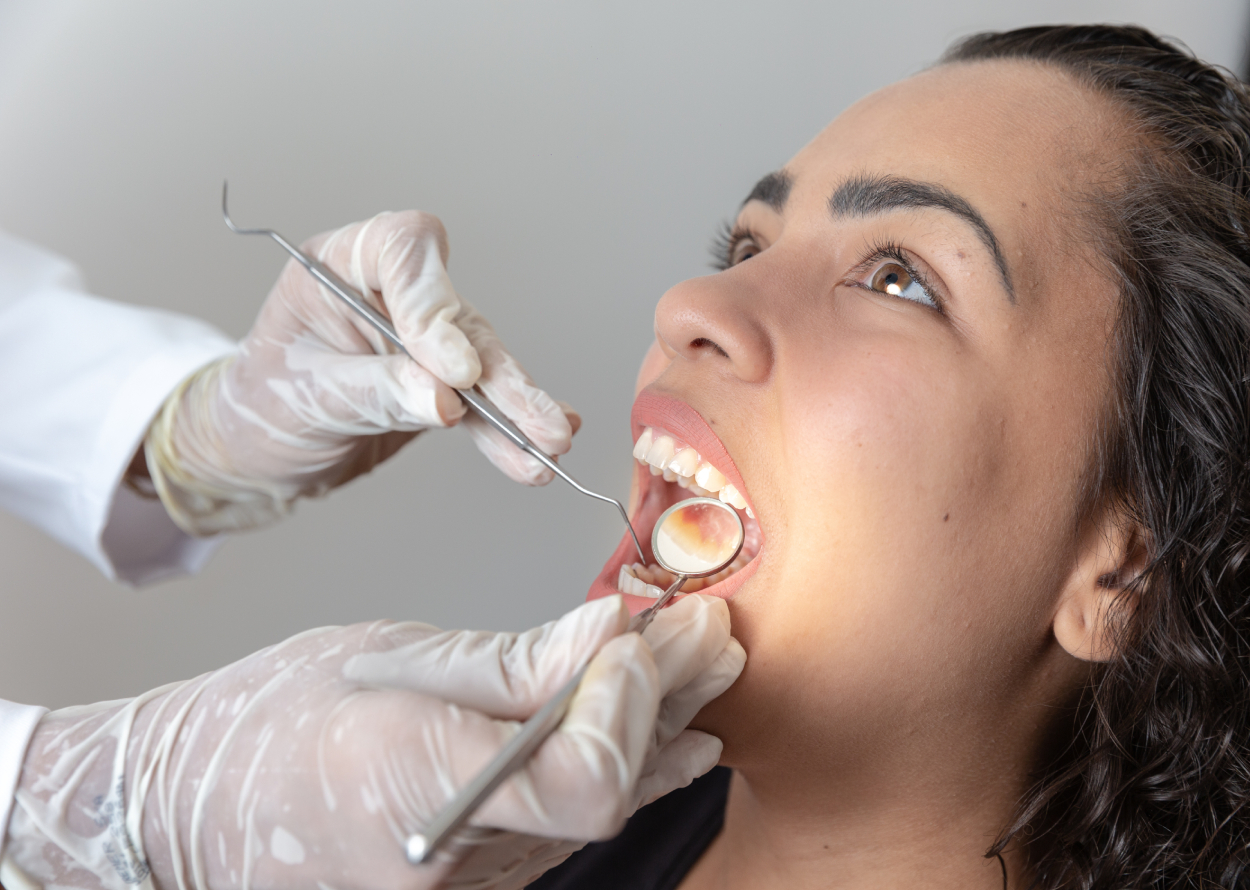
Gum disease rarely follows a neat, predictable script. Two patients can arrive with similar bleeding gums and very different underlying problems. One may have mild inflammation caused by missed cleanings and crowded teeth. Another may have years of periodontal Gum Disease Treatment in Ventura breakdown tied to smoking, diabetes, dry mouth, or an old dental restoration that traps plaque below the gumline. On paper, both cases might be called gum disease. In practice, they do not belong in the same treatment lane.
That is why personalized care matters so much in periodontics. A tailored plan respects the biology of the disease, the patient’s medical background, their habits, their pain tolerance, their budget, and the pace at which their gums are healing. It also gives the dentist or periodontist room to adjust treatment instead of forcing every patient through a standard sequence that may be too little, too much, or simply wrong for the situation.
For patients seeking Gum Disease Treatment, that difference can shape comfort, cost, long-term stability, and even whether they keep their natural teeth. For those exploring Gum Disease Treatment in Ventura, where practices may serve everyone from young professionals to retirees with complex health histories, customization is not a luxury. It is good clinical judgment.
Why gum disease responds better to individual planning
Gum disease starts with bacterial plaque, but it does not stop there. The body’s immune response, oral anatomy, restorative dental work, genetics, medications, and daily habits all influence what happens next. Some people build heavy tartar quickly. Some have gum recession with very little inflammation. Others have deep periodontal pockets and active bone loss even though they brush consistently and show up for regular cleanings.
A personalized treatment plan begins by recognizing that gum disease is not just an infection to be “cleaned out.” It is an ongoing interaction between bacteria and the host, meaning the patient’s own tissues and immune system are part of the story. That is why one person improves quickly after deep cleaning and home care changes, while another needs staged periodontal therapy, bite adjustment, antimicrobial support, or surgical intervention.
This approach also avoids a common problem in dentistry: undertreating advanced disease because the symptoms look deceptively manageable. Bleeding may seem minor, but X-rays can show meaningful bone loss. On the other side, it prevents overtreatment in cases where careful non-surgical therapy and close reevaluation may be enough. The best plans are neither aggressive by default nor conservative by habit. They are calibrated.
What a personalized gum disease plan actually considers
When clinicians build a treatment strategy for periodontal disease, they are usually weighing much more than the amount of tartar under the gums. Pocket depths matter, but so do bleeding patterns, mobility, recession, bone levels, furcation involvement around molars, previous dental work, bite forces, and the patient’s ability to clean specific areas at home.
Medical history often changes the picture. A patient with uncontrolled diabetes may heal more slowly and show more persistent inflammation. Someone taking medications that reduce saliva can experience more plaque accumulation and tissue irritation. Pregnancy, autoimmune conditions, osteoporosis treatment, and cardiovascular disease can all affect decision-making, timing, or maintenance frequency.
Lifestyle matters just as much. Smoking remains periodontist in Ventura one of the strongest risk factors for periodontal breakdown and poor healing. Night grinding can worsen tooth mobility and put stress on already compromised supporting bone. Diet, stress, and inconsistent oral hygiene can keep inflammation active even after professional therapy. A truly customized plan brings these factors into the room instead of treating the mouth as if it exists in isolation.
There is also the practical side. Some patients can tolerate longer appointments well. Others need shorter visits because of anxiety, jaw fatigue, back pain, or work demands. Older adults may need treatment phased around joint replacements, anticoagulant management, or transportation constraints. Good dentistry is not just about clinical ideals. It is about finding the best realistic path that a patient can complete and maintain.
The first exam sets the direction
The quality of a treatment plan depends heavily on the first comprehensive periodontal evaluation. In strong practices, that visit is not rushed. It includes detailed measurements around each tooth, careful review of radiographs, documentation of bleeding and recession, and a conversation about symptoms that patients sometimes dismiss, such as bad breath, shifting teeth, tenderness when flossing, or a sense that the bite no longer feels even.
This is also where patients often learn that gum disease can be present without dramatic pain. That surprises many people. Cavities tend to announce themselves eventually. Periodontal disease often progresses quietly until teeth feel loose, gums recede, or bone loss becomes difficult to reverse. Personalized planning starts with catching that nuance early.
A thorough exam also clarifies what kind of gum problem is present. Not every inflamed gumline means advanced periodontitis. Some patients have gingivitis, which is reversible with proper care. Others have localized periodontal disease affecting only certain teeth, often around old crowns, bridges, or crowded areas. Some show generalized disease throughout the mouth. Each pattern calls for different priorities.
One patient may need scaling and root planing, another may need much more
When people hear “gum disease treatment,” they often think immediately of a deep cleaning, more formally called scaling and root planing. This is an important and effective treatment, but it is not a one-size-fits-all answer. For moderate disease, it may be the main intervention. For advanced cases, it may be only the first stage.
A tailored plan looks at how much infection sits below the gumline, how deep the pockets are, whether roots are accessible without surgery, and how the tissue responds after initial therapy. In many cases, the smartest route is to start conservatively with thorough non-surgical treatment, then reevaluate in four to eight weeks. That reevaluation matters. Some pockets shrink nicely once inflammation is reduced. Others remain deep because the anatomy or degree of bone loss makes self-care and professional cleaning difficult.
At that point, a personalized plan may shift. One patient can move into maintenance with a shorter recall interval. Another may need site-specific antibiotic therapy. Another may benefit from periodontal surgery to reduce pockets or regenerate lost support around selected teeth. That staged decision-making is one of the clearest benefits of customization. It allows treatment to respond to results rather than assumptions.
Better outcomes often come from timing, not just technique
There is a tendency to talk about procedures as if success depends only on what is done. In periodontal care, when treatment is done can be just as important. Personalized planning pays attention to timing.
If a patient is under severe stress, sleeping poorly, and smoking heavily, surgery scheduled immediately after diagnosis may not be ideal unless there is an urgent reason. If blood sugar is significantly uncontrolled, initial inflammation control and coordination with the patient’s physician may improve the odds of healing. If a patient has a major restorative case planned, stabilizing the gums first usually makes the restorative work more predictable and longer lasting.
Timing also affects motivation. A patient who can see before-and-after measurements after deep cleaning often becomes more invested in home care. That momentum is clinically useful. Personalized plans use those moments well, building treatment in a sequence that the patient understands and can sustain.
Comfort improves when treatment fits the person
One of the most overlooked benefits of individualized Gum Disease Treatment is comfort. Many patients delay care because they expect every treatment to be painful, lengthy, or financially overwhelming. A personalized plan can reduce all three concerns.
Some patients do best with quadrant-by-quadrant deep cleaning, which spreads appointments out and gives each area time to settle. Others prefer fewer, longer visits so they can finish faster. Some respond well to local anesthesia only. Others need topical desensitizing options, nitrous oxide, or a more measured pace with frequent breaks. Patients with a strong gag reflex or temporomandibular joint discomfort often benefit from modified positioning and shorter sessions.
These details sound small until you see the difference they make. A patient who has put off care for years because of fear may complete treatment once the approach matches their tolerance and concerns. Clinical skill matters, but so does reading the room.
Personalized care can reduce overtreatment and undertreatment
This is where experience shows. Some cases are treated too lightly because the patient has minimal symptoms. Others are treated too aggressively because deeper pockets appear on a chart without enough attention to the full context.
A personalized plan reduces both errors. If a patient has a few isolated deeper sites around wisdom teeth or rough restorations, it may not make sense to frame the entire mouth as a severe periodontal case. If another patient has moderate pocketing plus mobility, radiographic bone loss, smoking history, and missed maintenance visits, a simple cleaning schedule is unlikely to hold.
Balanced treatment protects both health and trust. Patients are more likely to follow through when the recommendations feel thoughtful rather than automatic. They can usually tell when a clinician has paid attention to the details.
Long-term maintenance becomes more realistic
Gum disease is not usually a one-visit problem. Even after successful treatment, many patients remain at higher risk for recurrence. The maintenance phase is where personalized planning proves its value over time.
A standard six-month cleaning interval is not enough for many periodontal patients. Some need maintenance every three months, at least initially. Others can move to four-month intervals once their gums are stable and home care is reliable. The right schedule depends on bleeding, pocket depths, plaque control, medical history, and whether disease returns between visits.
Home care must be customized too. A patient with bridges may need threaders or water flossing. Someone with tight contacts and mild inflammation may do well with floss and an electric toothbrush. A patient with recession and root sensitivity may need softer techniques and prescription-strength products. Advice only works if it suits the mouth in front of the clinician and the person who has to use it daily.
The role of local factors that standard plans often miss
Many gum problems persist because of local irritants that generic treatment plans overlook. Overhanging fillings, poorly contoured crowns, open contacts that trap food, mouth breathing, severe crowding, and tilted molars can all keep inflammation active. Unless those issues are identified and addressed, the patient may feel like they are failing despite trying hard at home.
I have seen cases where the turning point was not a more advanced periodontal procedure, but a correction to a bulky crown margin that had collected plaque for years. In other cases, replacing a broken contact between back teeth dramatically reduced food impaction and localized gum swelling. Personalized planning catches these practical causes and solves them.
This is especially relevant in patients who insist they brush well but still have repeat trouble in the same area. Often, they are right. The anatomy or dental work is part of the problem. Good clinicians do not dismiss that.
How personalized Gum Disease Treatment supports other dental work
Healthy gums are the foundation for nearly every other kind of dental treatment. Veneers, crowns, implants, orthodontics, and partial dentures all perform better when inflammation is controlled first. A tailored gum disease plan helps sequence that work correctly.
If a patient wants cosmetic dentistry but has active periodontal inflammation, jumping straight into esthetic procedures can backfire. The gumline may shift as disease is treated. Bleeding can compromise impressions or scans. Restorations placed in an inflamed environment often become harder to clean and less stable over time.
For implant candidates, periodontal control is particularly important. A history of gum disease does not automatically rule out implants, but it does raise the need for careful monitoring and maintenance. Personalized planning identifies whether the patient is ready for that step or whether more periodontal stabilization is needed first.
Why location and patient population matter in Gum Disease Treatment in Ventura
Communities differ, and dental planning should reflect that. In a place like Ventura, practices may care for patients across a broad age range, with varied occupational schedules, medical complexity, and access considerations. Some patients come in after years of routine preventive care but recent stress has worsened clenching and inflammation. Others are retirees managing multiple health conditions and long-standing periodontal disease. A younger patient may need a plan built around orthodontic relapse and inconsistent home care, while an older adult may need careful coordination with physicians and a focus on tooth retention.
That is where Gum Disease Treatment in Ventura benefits from a personalized framework rather than a generic package. A clinician serving this community well will pay attention not only to the chart but to how the patient lives. Does the person travel often? Are they caring for an aging spouse? Do they work shifts that make daytime appointments hard? Are they motivated but overwhelmed? Those factors influence whether a treatment plan is merely ideal on paper or genuinely workable.
Signs a treatment plan may need to be adjusted
Even a strong initial plan should not be rigid. Periodontal care works best when there is room to respond to healing, setbacks, and new information. A few signs often suggest it is time to reassess:
- Bleeding persists despite improved home care and completed deep cleaning.
- Specific pockets remain deep or become deeper at reevaluation.
- Teeth feel more mobile, or the bite starts to feel different.
- Repeated swelling develops in the same area.
- Medical changes, such as diabetes control or new medications, alter the patient’s response.
These moments do not always mean something has gone wrong. They often mean the disease is showing its true pattern and the plan needs to evolve. That may involve referral to a periodontist, additional imaging, surgical therapy, or changes to maintenance frequency.
Patient participation is part of personalization
There is a tendency to think of customized care as something the clinician designs alone. In reality, the patient’s role is central. A plan succeeds when it matches not only the disease but also the patient’s ability to carry it out.
The most effective conversations usually cover a few practical questions:
- What home care routine is realistic twice a day, not just for a week?
- Which areas are hardest to clean and why?
- What has made past dental treatment difficult, fear, schedule, cost, discomfort, or something else?
- Is the patient prepared for more frequent maintenance if needed?
- Are there medical or lifestyle factors that deserve honest discussion, such as smoking or dry mouth?
This kind of dialogue changes the quality of care. Instead of handing out standard instructions, the clinician and patient build a plan with fewer hidden obstacles. That usually leads to better compliance and less frustration on both sides.
Cost can be managed better with staged, tailored treatment
Personalization does not always mean more expensive care. Often, it means smarter sequencing. A patient with widespread inflammation may not need every possible intervention at once. Starting with the most effective first step, then measuring response before adding procedures, can be both clinically sound and financially reasonable.
Staging treatment also helps patients understand what they are paying for and why. Deep cleaning, localized adjunctive therapy, periodontal surgery, maintenance visits, replacement of problematic restorations, and long-term monitoring are easier to accept when they are connected to specific findings rather than presented as a generic bundle.
On the other hand, delaying necessary care to save money in the short term can become more expensive if teeth loosen further, abscesses develop, or future restorative options narrow. Personalized planning helps strike that balance. It gives patients a clearer sense of what can wait, what should not, and what offers the best value over time.
The real goal is not just cleaner gums
When gum disease treatment is done well, the goal extends beyond removing plaque and tartar. The aim is to create a stable environment where the gums can attach as well as possible, the patient can keep the area clean, and the risk of further bone loss is reduced. That is a more durable target than a one-time visual improvement.
It also changes how success is measured. A healthier mouth may mean fewer bleeding points, shallower pockets, better breath, more comfortable chewing, and no progression on future radiographs. It may mean keeping a questionable tooth stable for years instead of months. It may mean making future crowns, dentures, or implants more predictable. In many cases, it means preserving options.
That is the real strength of personalized Gum Disease Treatment. It treats the patient, not just the diagnosis code. It respects the fact that biology varies, habits vary, and healing varies. It creates room for prevention, course correction, and long-term maintenance. Most importantly, it gives people a better chance of keeping their teeth healthy and functional for the long run.
Avra Dental
Address: 1708 S Victoria Ave B, Ventura, CA 93003
Phone number: (805) 941-1001
FAQ About Gum Disease Treatment in Ventura
How to improve gum health quickly?
To improve gum health quickly, eliminate plaque buildup by brushing for two full minutes twice a day at a 45-degree angle to the gumline. Floss daily to clean under the gumline, and rinse with an antimicrobial, alcohol-free mouthwash. For immediate relief of soreness, use a warm saltwater rinse.
What is the fastest way to cure gum disease?
To quickly cure early-stage gum disease (gingivitis), eliminate the plaque buildup causing the inflammation. Brush gently but thoroughly for two minutes twice daily, floss daily, and use an antibacterial mouthwash or a warm saltwater rinse. However, if tartar has hardened, professional treatment is necessary.
How do I treat my gum disease at home?
You can treat early gum disease at home by practicing strict daily oral hygiene, rinsing with salt water or antibacterial mouthwash, and quitting smoking. True gum disease (especially advanced forms like periodontitis) cannot be fully cured at home once tartar forms, and you must see a dentist for professional cleanings.